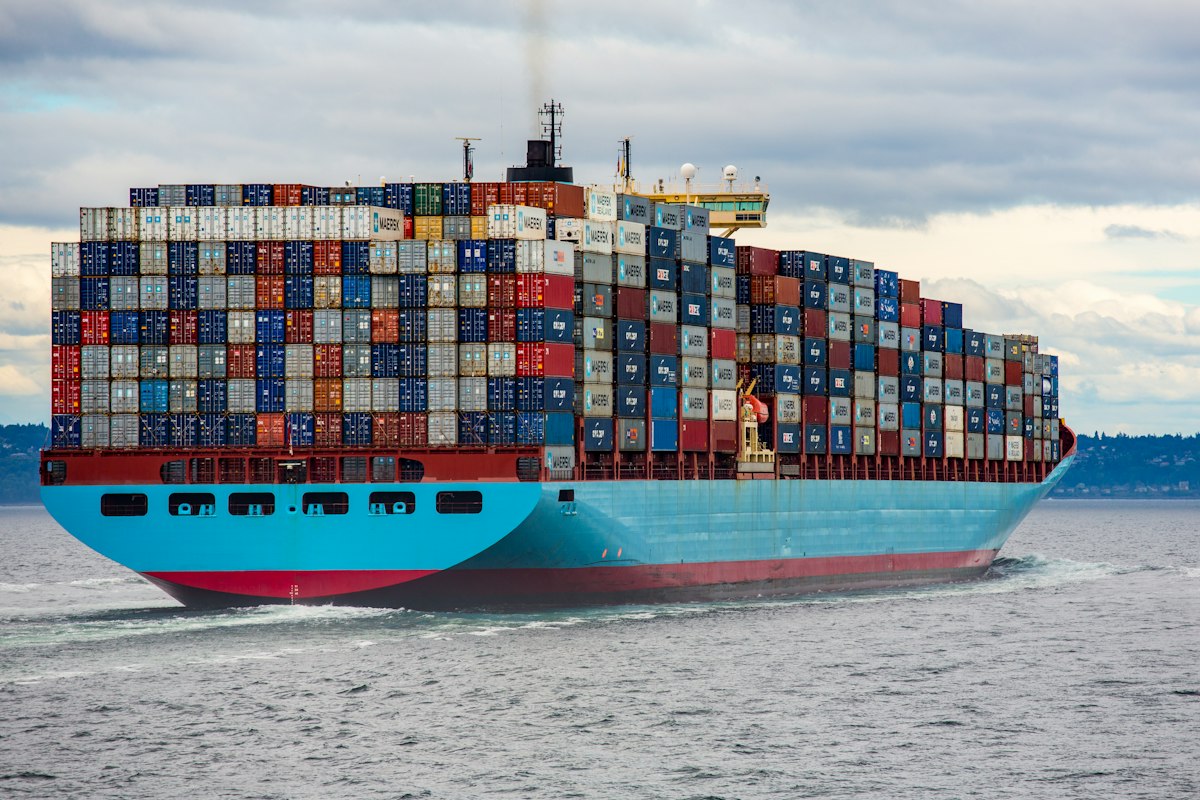
Fast-moving consumer goods (FMCG) rely heavily on sea freight for global distribution. This mode of transport remains the backbone of international trade for FMCG companies, given its cost-effectiveness and capacity to move large volumes. Yet, traders face growing challenges that affect delivery times, costs, and supply chain reliability.
Rising Demand and Capacity Constraints
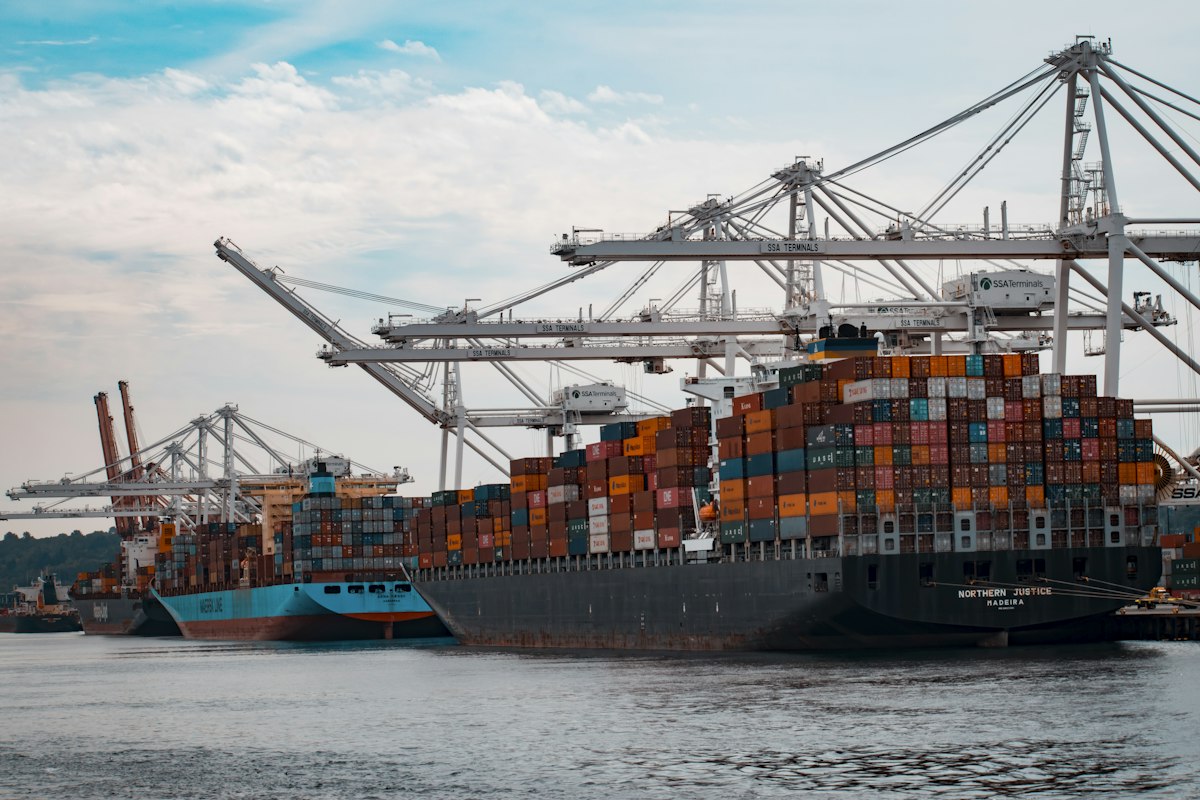
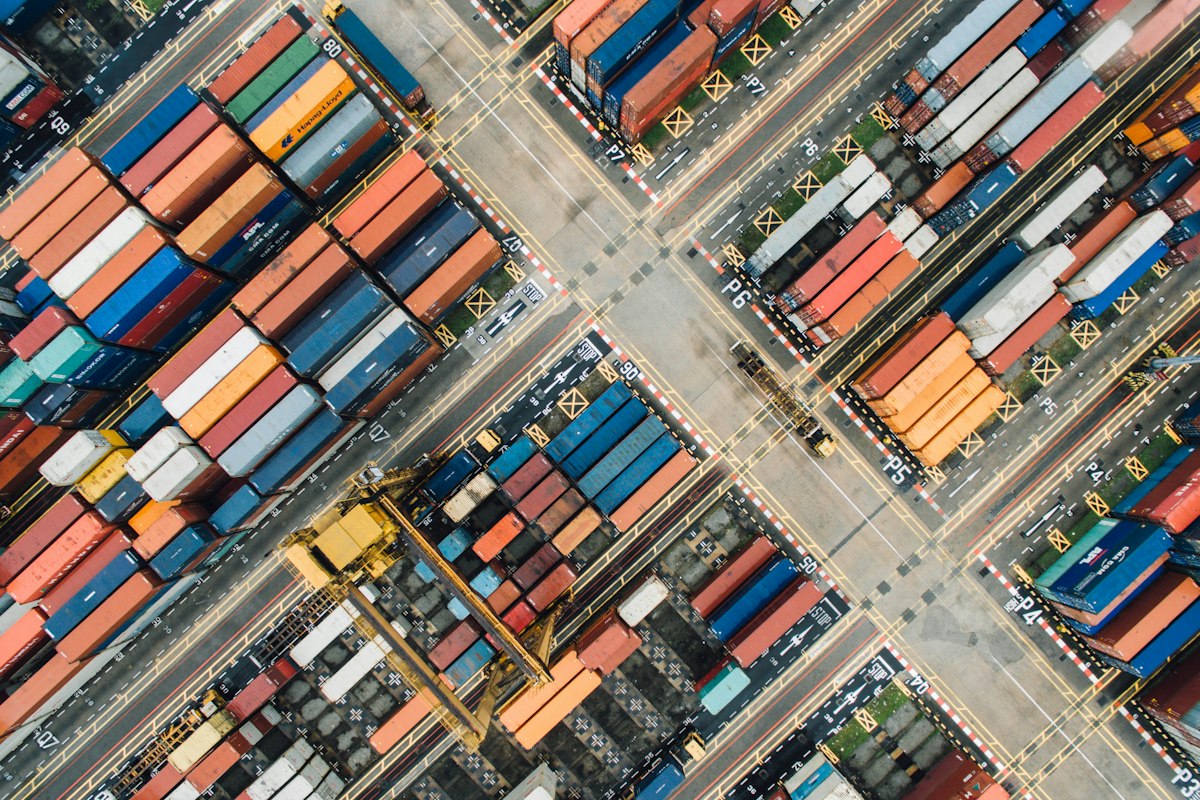
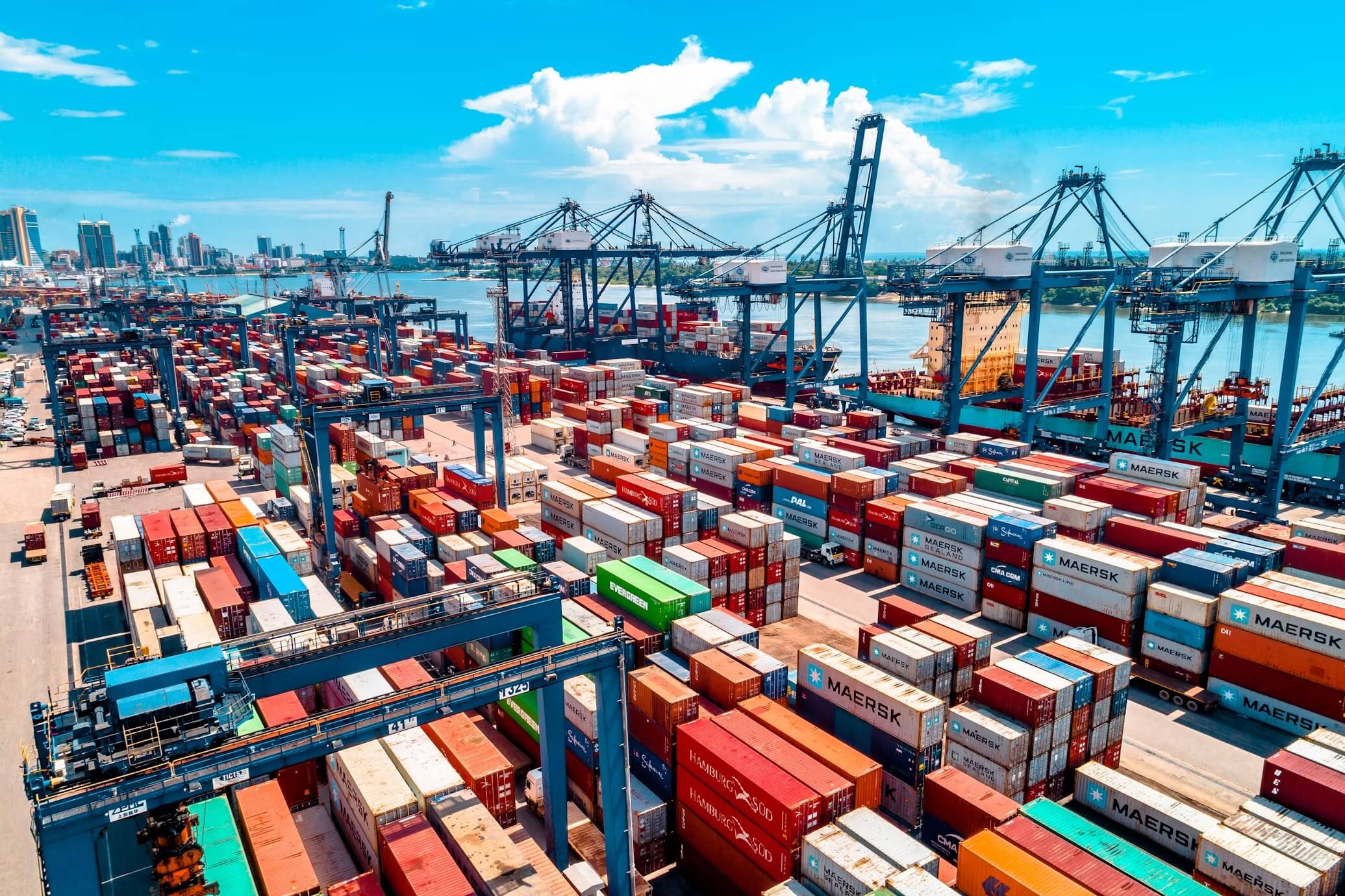
The FMCG sector has seen a surge in demand worldwide, driven by population growth and changing consumer habits. This growth puts pressure on sea freight capacity, especially container availability. Ports and shipping lines are struggling to keep up with the volume, leading to:
- Longer waiting times for container bookings
- Increased freight rates due to limited space
- Congestion at major ports
For example, traders shipping perishable FMCG items like food and beverages must carefully plan to avoid delays that could spoil goods. The imbalance between container supply and demand means companies often pay premiums or face shipment postponements.
Impact of Geopolitical and Regulatory Changes
Trade policies and regulations continue to evolve, affecting sea freight routes and costs. Recent shifts include new tariffs, customs procedures, and environmental regulations targeting shipping emissions. Traders must navigate complex customs clearance processes, additional documentation requirements, and compliance with stricter environmental standards.
Digitalisation and Transparency in Logistics
Technology adoption is transforming FMCG sea freight logistics. Digital platforms now offer better tracking, booking, and documentation management, helping traders gain more control over their shipments. Key benefits include real-time visibility of cargo status, faster communication with carriers and ports, and automated customs and compliance checks.
Environmental Sustainability Pressures
Sustainability is becoming a priority for FMCG brands and their logistics partners. Sea freight providers are exploring greener options such as using low-emission fuels, optimising routes to reduce fuel consumption, and investing in energy-efficient vessels.
Challenges Traders Face
Volatile Freight Rates
Freight rates fluctuate due to fuel prices, demand spikes, and capacity shortages. Traders must budget carefully and often negotiate contracts months in advance to secure stable rates.
Supply Chain Disruptions
Natural disasters, port strikes, and geopolitical tensions can disrupt sea freight schedules. Traders need contingency plans and alternative routes to mitigate risks.
Customs and Documentation Complexity
Different countries have varying import regulations, tariffs, and documentation standards. Errors or omissions can cause customs delays or fines.
Practical Tips for Traders
- Plan shipments early to secure container space and better rates.
- Use digital tracking tools to monitor cargo and respond quickly to delays.
- Build relationships with reliable carriers that offer flexible services.
- Stay informed on regulatory changes affecting FMCG imports and exports.
- Consider sustainability credentials when selecting logistics partners.
By addressing these challenges proactively, traders can improve supply chain resilience and meet consumer demand without compromising quality or cost.