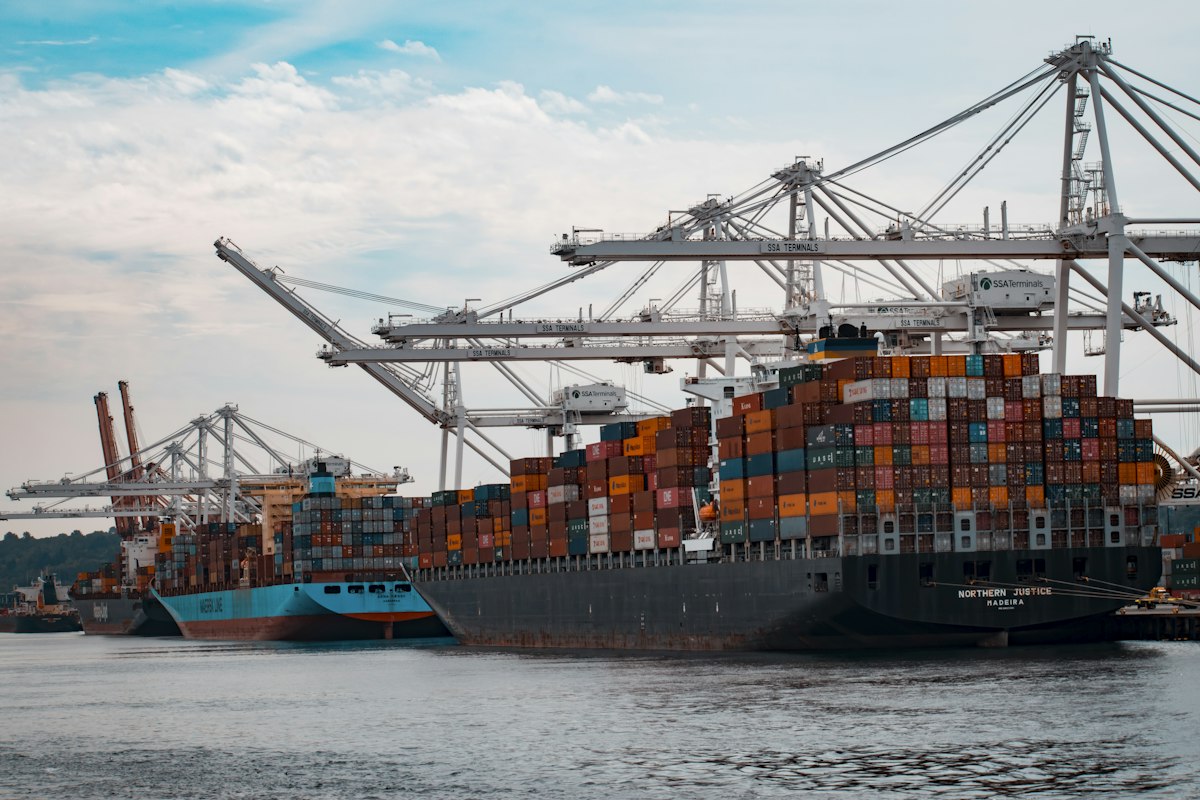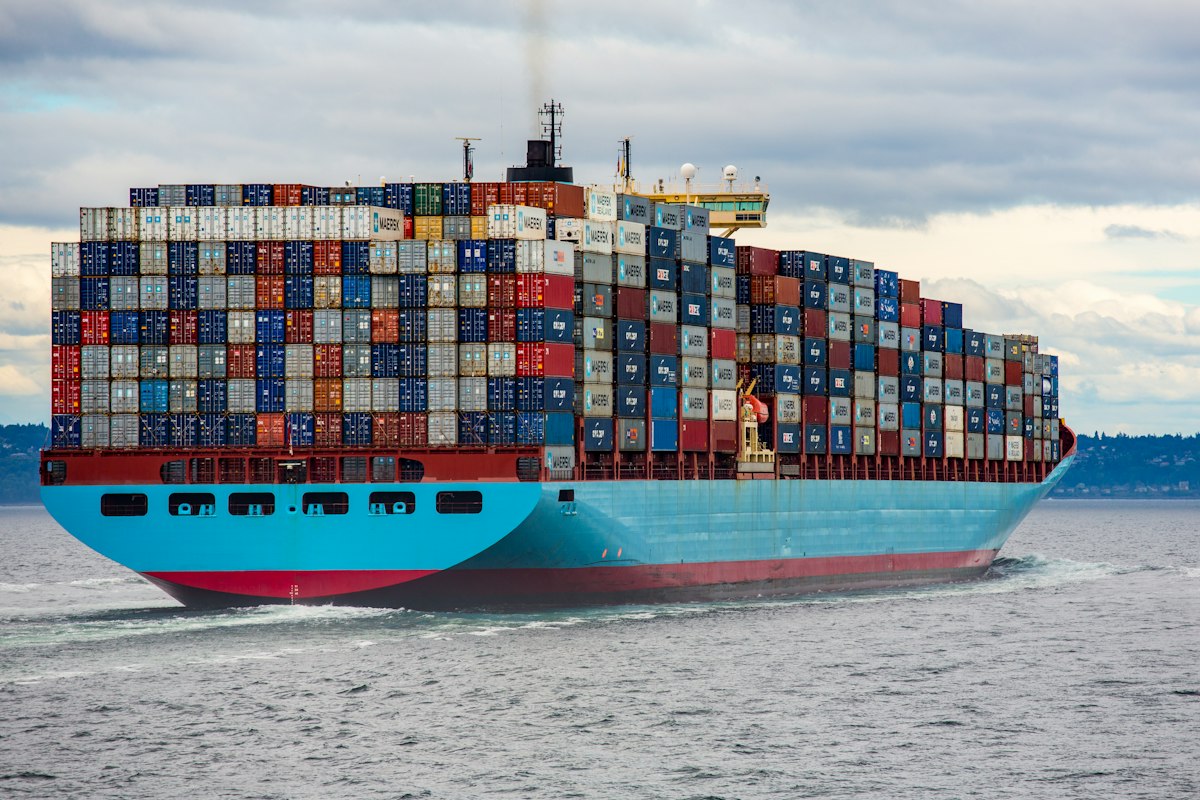
Global sea freight costs remained persistently elevated throughout 2024 and into 2025, driven by a confluence of factors that proved more durable than many market participants had anticipated. Despite some signs of stabilisation in certain trade lanes, overall market conditions offered limited relief for shippers during this period.
Key Drivers of Elevated Rates
Geopolitical instability: The Houthi attacks on commercial vessels in the Red Sea from late 2023 onwards forced the majority of Asia–Europe services to divert via the Cape of Good Hope, adding 10–14 days to transit times and significantly increasing fuel consumption and vessel operating costs. These costs were passed on to shippers through a range of surcharges.
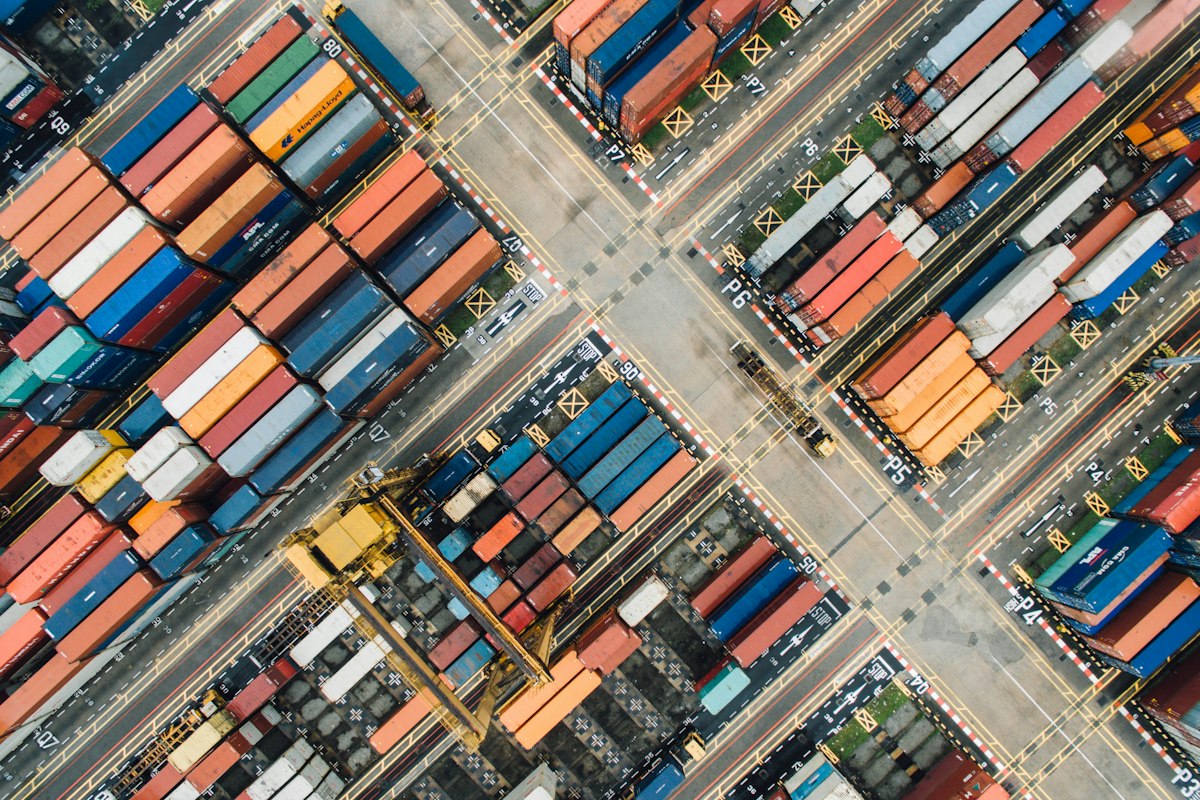
Equipment shortages: The Cape diversions created significant imbalances in container positioning, with boxes accumulating in some regions while others faced acute shortages. This drove up equipment surcharges and, in some cases, led to cargo being rolled to subsequent sailings.
Demand volatility: Post-pandemic demand normalisation, combined with inventory destocking cycles in key consuming markets (particularly the US and Europe), created unpredictable demand patterns that made capacity planning difficult for carriers.
2026 Outlook
The emergence of the Strait of Hormuz crisis in early 2026 has added a new layer of complexity to an already challenging market. With two of the world's most important maritime chokepoints now disrupted simultaneously, the outlook for freight rates in 2026 is uncertain but broadly upward.
Allenek recommends that customers with regular import or export requirements consider forward rate agreements and longer-term service contracts to provide greater cost certainty. Contact your account manager to discuss options.